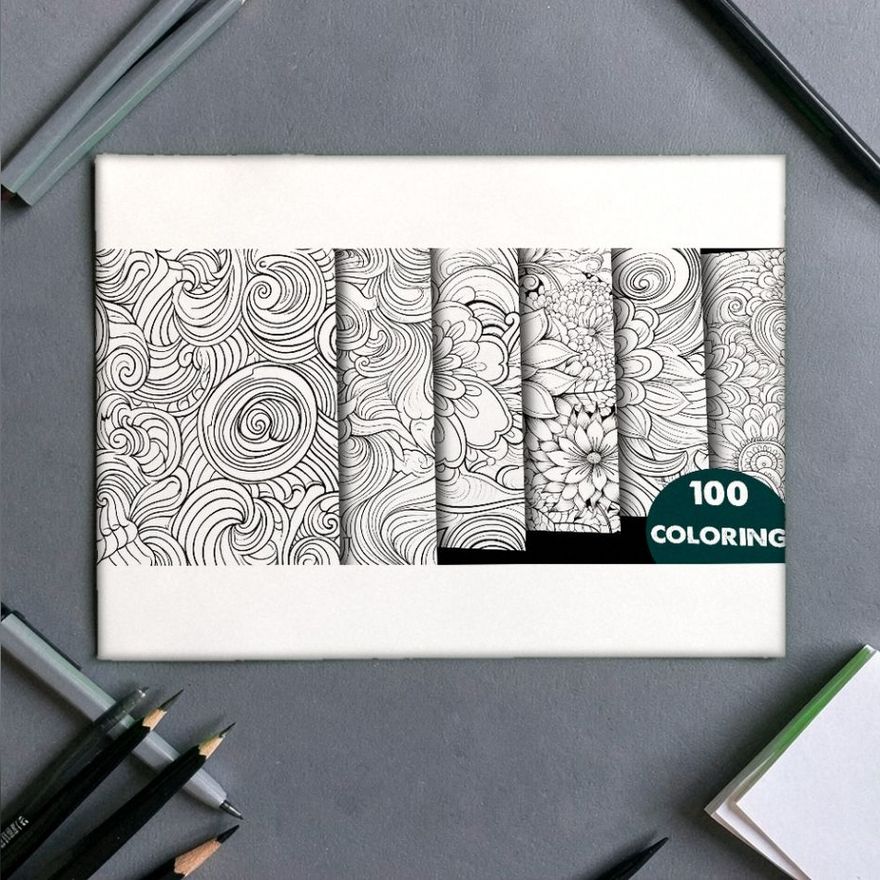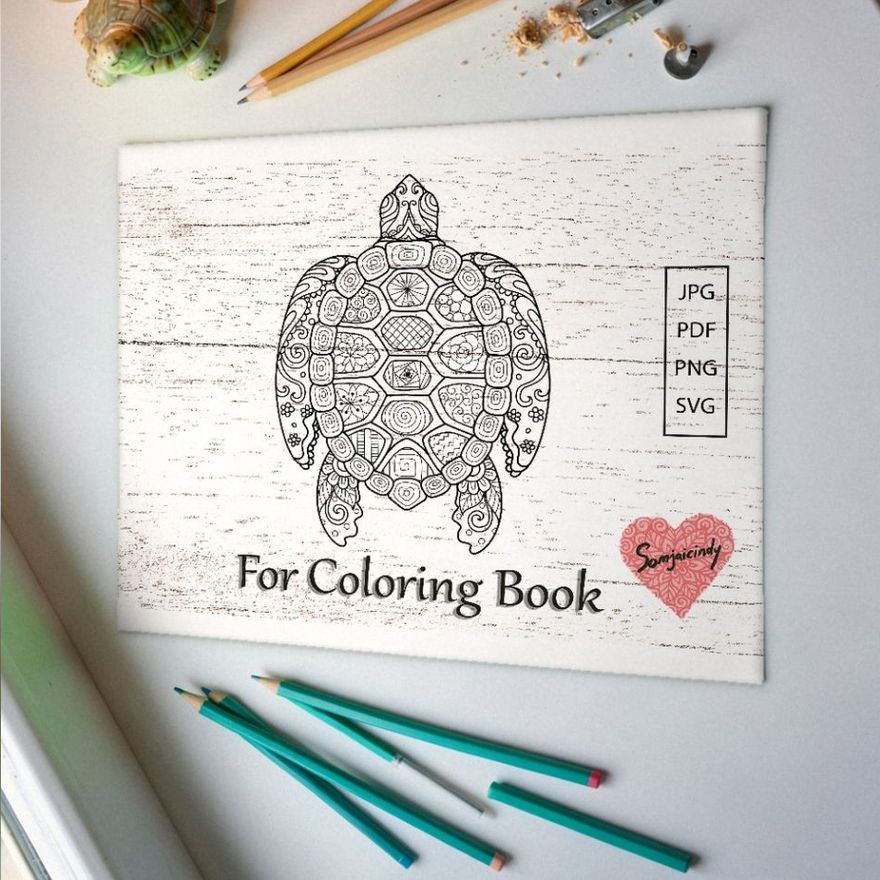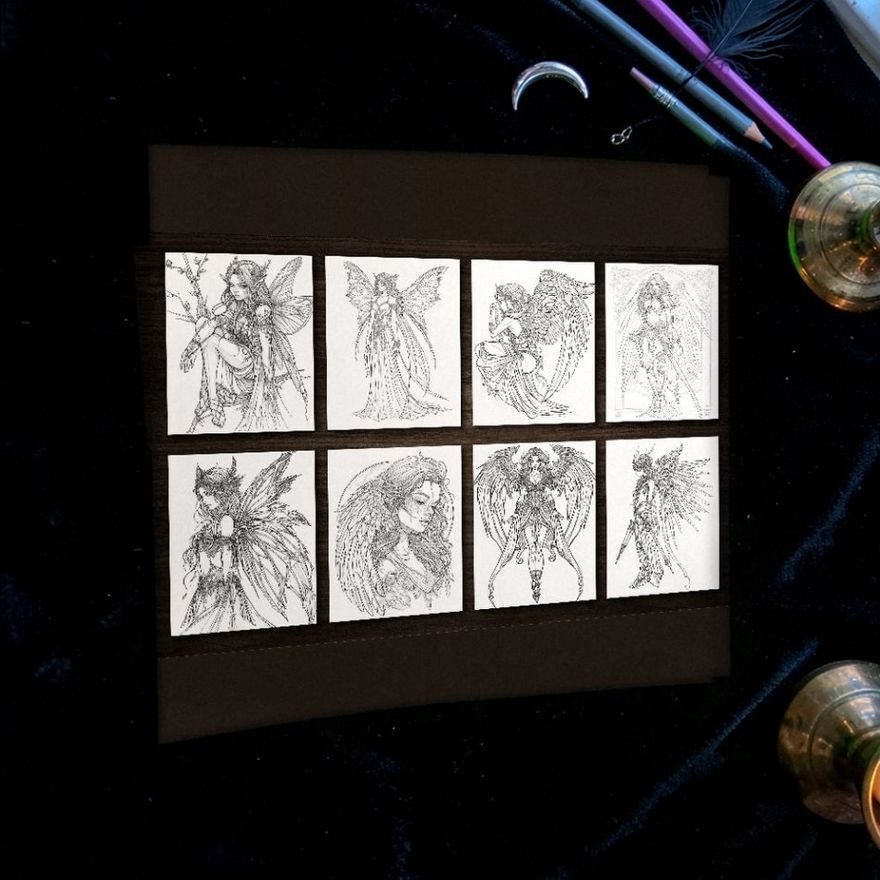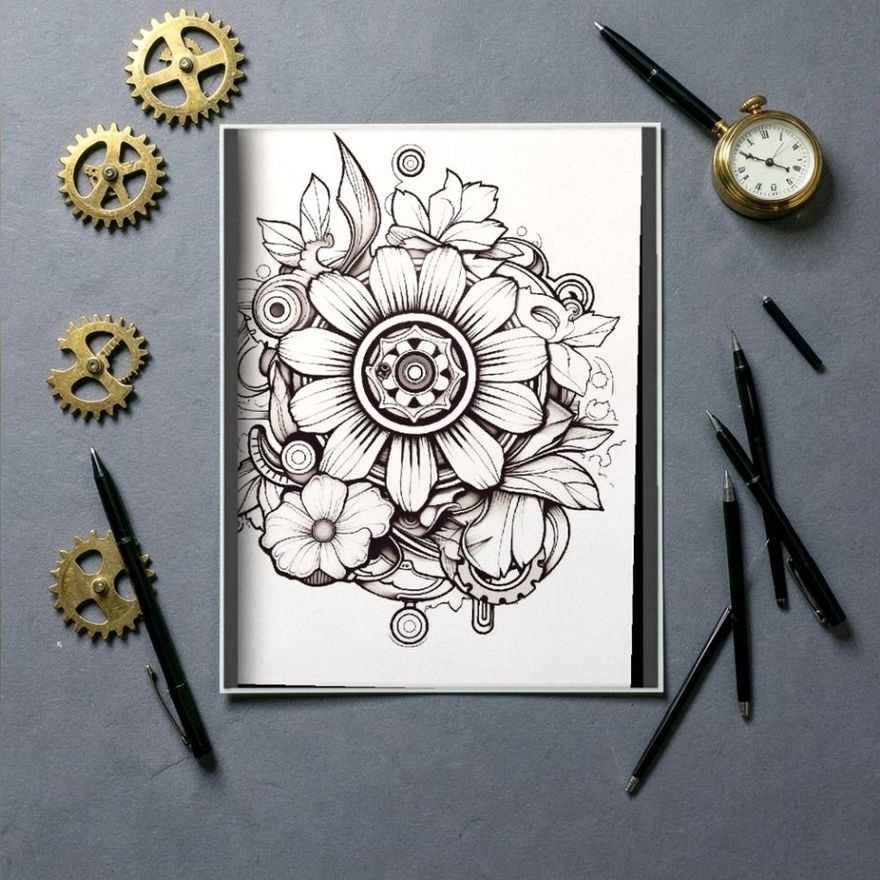
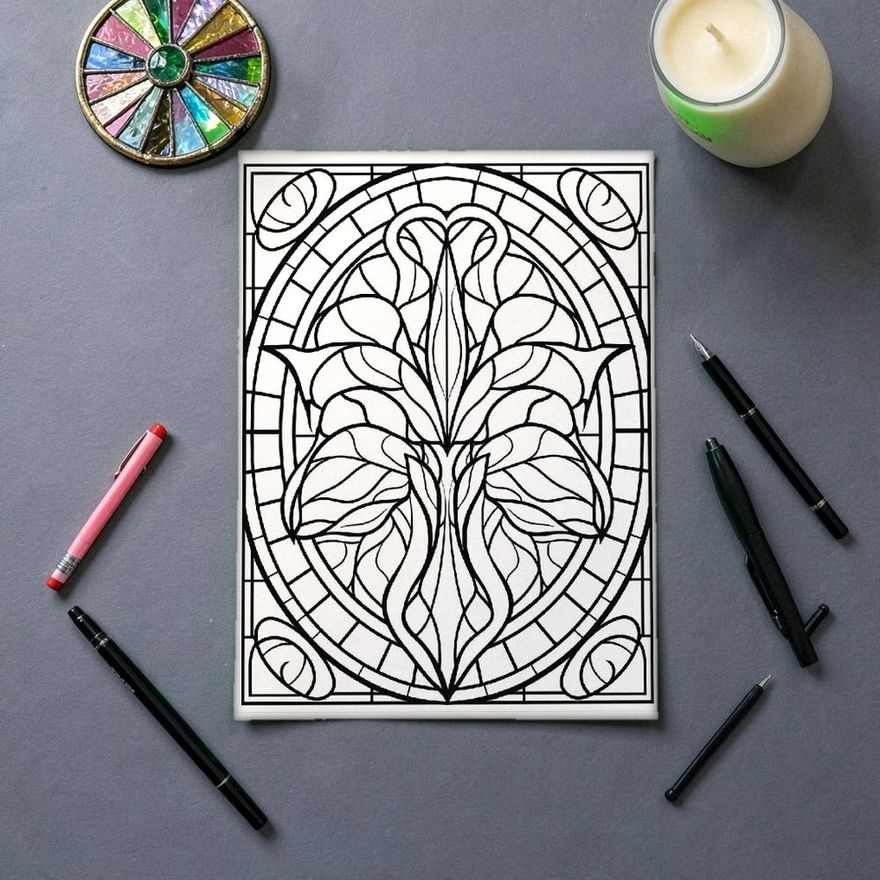
Color a mandala from the center outward, one ring at a time, and give every repeated shape within a ring the same color. That single rule produces the symmetry that makes a mandala look right. Before you start, choose a small palette and decide which rings will be light and which dark; then add gradients inside the petals and a few white highlights at the end.
What a Mandala Is
The word comes from the Sanskrit maṇḍala, meaning "circle." In Hindu and Buddhist art, a mandala is a schematic picture of the cosmos built from concentric geometric shapes, and it is used as an aid to meditation. In Jungian psychology, the mandala became a symbol of the effort to reunify the self.
The mandalas on coloring pages borrow the form rather than the religious content: a central point, rings of shapes radiating from it, and repetition all the way round. That structure is what makes them good to color. Each ring is a small, finished task, and the repetition gives your hands a rhythm.
Choose the Palette First
Mandalas reward a limited palette more than any other page type, because every color will be repeated many times. Three to five hues, each in a light and dark version, is plenty.
Some approaches that work well:
- Analogous warm: gold, orange, coral, red, with a deep plum for the darkest ring.
- Analogous cool: mint, teal, blue, indigo.
- Complementary: mostly blues with small orange accents in one ring.
- Monochrome: five values of a single color. Excellent practice and always elegant.
- Jewel tones on a dark background, for a stained-glass look.
Twelve tested combinations, with notes on which page types each suits, are in color palettes for coloring pages. Swatch your chosen colors on the same paper before starting.
Decide your value pattern before your colors. For example: light center, dark second ring, medium third ring, light outer petals. Alternating light and dark rings is what makes a mandala look three-dimensional from a distance.

Work From the Center Out
Start at the middle and move outward, for three reasons:
- The center sets the tone. Once it is colored, every following ring is chosen to frame it.
- Your hand stays off wet or fresh work if you rotate the page so that you always color away from finished areas.
- Rings get bigger as you go. Starting small builds momentum, and by the larger outer rings you already know which colors are working.
Turn the page constantly. Mandalas have no top or bottom, so rotate the sheet to keep your hand in its most comfortable position instead of twisting your wrist.
Color Ring by Ring for Symmetry
Treat each ring as a unit. Within a ring:
- Every identical shape gets the same color. If there are twelve petals, all twelve are teal.
- Alternating shapes can alternate colors. If a ring has two kinds of petals, give each kind its own color and alternate all the way round.
- Finish the whole ring before moving on. Coloring a single petal in every ring and then going back is the quickest way to lose track and break the symmetry.
Repeating colors across rings ties the design together. A color used in the center can return in the fourth ring and again in the outer border. Your eye travels between them and reads the whole mandala as one piece.

Abstract Mandala Coloring Pages Vol.3
See the listing ↗
Animal Mandala Coloring Pages for Adults
See the listing ↗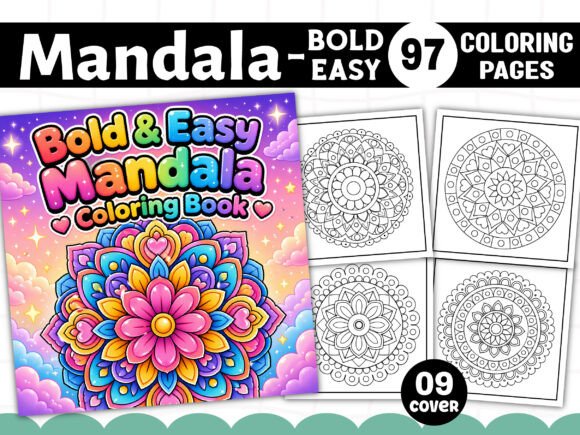
Bold and Easy Mandala Coloring Pages
See the listing ↗From the collection Mandala & Zentangle Coloring. New Creative Fabrica members get 10 free downloads, and any of these can be one of them.
Gradients Inside Petals
Flat color looks tidy; gradients make a mandala glow. The technique is the same for pencils and markers, just with different tools.
With colored pencils:
- Fill the petal with the light shade, light pressure.
- Add the darker shade at the base of the petal, where it meets the inner ring, and fade it toward the tip.
- Blend the transition with the light shade or a colorless blender.
- Keep the gradient direction the same in every petal of the ring. If the dark is at the base in one petal, it is at the base in all of them.
With alcohol markers: fill the petal with the light marker, flick the darker one from the base toward the middle while the first is still damp, then go over the meeting point with the light marker.
A consistent gradient direction creates the illusion that each ring is curved or lit from the center. Reverse the direction in alternating rings (dark at the base in one ring, dark at the tip in the next) for a stronger sense of depth.
Small Cells and Fine Detail
Many mandalas have tiny cells, dots and thin bands near the center or along the border. They need a different tool.
- Fine-tip pens and fineliners fill small cells cleanly. Pigment fineliners such as Sakura's Pigma Micron come in very fine sizes.
- A freshly sharpened hard pencil gets into corners a soft core cannot.
- Fine-tip markers, the bullet or fine end of a dual marker, work for small, separate dots.
Do not feel obliged to color every tiny cell. Leaving the smallest dots white, or filling them all with a single dark color, often looks better than a dozen colors crammed into a small space. The same two-shade approach suits dense pattern pages, as described in zentangle patterns for beginners.
Highlights and Finishing
When all rings are done, step back and look at the page from arm's length. Then add finishing details:
- White gel pen dots along the edge of each petal, in a line or a single dot at the tip. They catch the light and look like beads.
- A thin white line on the lighter side of each petal, following its curve, adds shine.
- Metallic gel pens in gold or silver on one ring give a stained-glass or jewelry effect.
- A dark background behind the outer ring makes the whole mandala pop forward.
Gel pens sit on top of pencil and marker, so add them last and let them dry. The full list of finishing techniques is in gel pens and finishing touches.
Mandalas and Calm
Mandala coloring is the most studied kind of adult coloring. Curry and Kasser (2005) found that undergraduates who colored a mandala or a plaid pattern after a stress-inducing task showed a larger drop in anxiety than those who colored freely on blank paper. Later work is more mixed: a 2022 meta-analysis of eight studies found that mandala coloring did not reduce state anxiety significantly more than free drawing. What the research does and does not show is covered honestly in is coloring good for stress. Color mandalas because you enjoy them; that is reason enough.
Affirmation mandalas combine the circle with a short phrase in the middle, which some people like as a focus:

Mandala Coloring Pages Affirmation Quote
See the listing ↗
Zentangle Affirmation Coloring Pages
See the listing ↗From the collection Quote & Affirmation Coloring. New Creative Fabrica members get 10 free downloads, and any of these can be one of them.
Fine-Point Tools for Small Cells
A mandala is mostly small shapes, so points matter more than anything else. Keep pencils sharp for the petals, and switch to fine gel pens where a cell is too narrow for a pencil tip.
 Soft-core colored pencils, 72 colorsKALOURSee it on Amazon
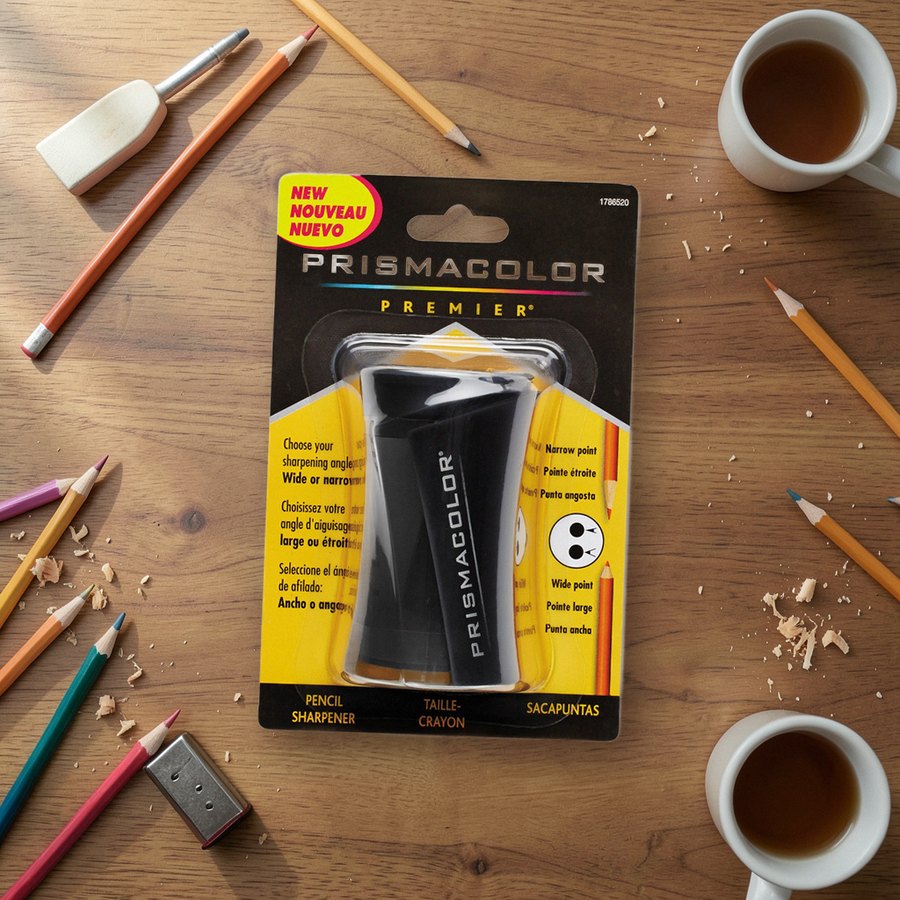 Handheld sharpener for soft-core pencilsPrismacolorSee it on Amazon
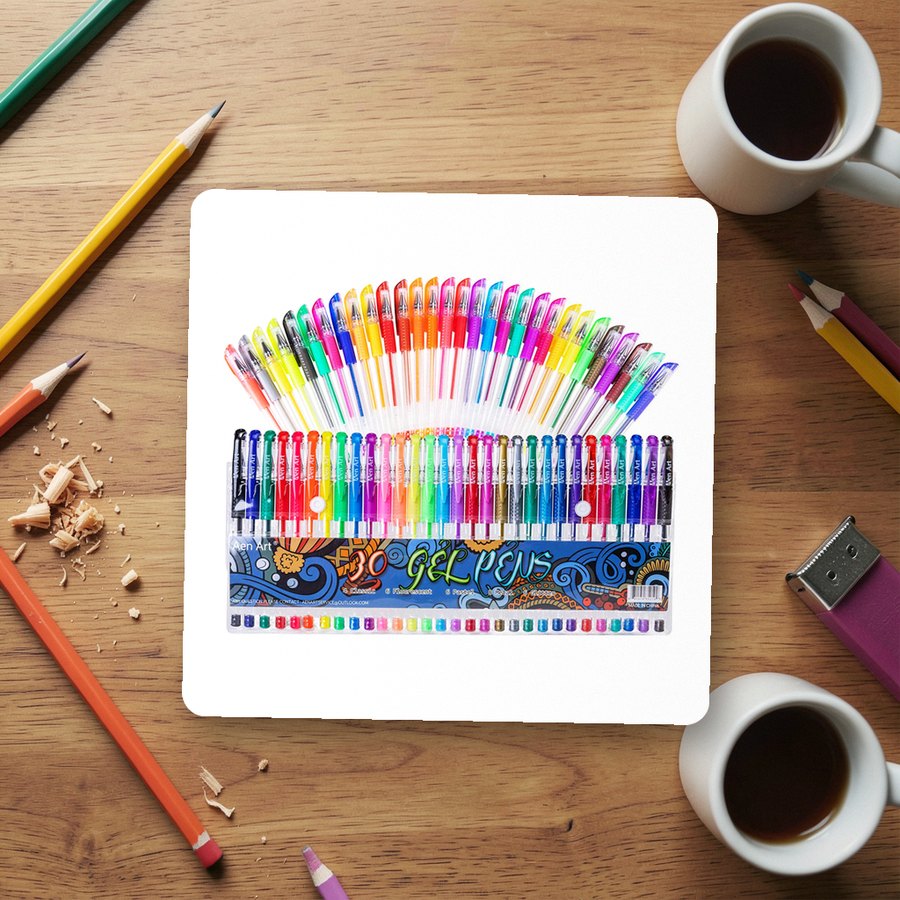 Fine-point gel pens, 30 colorsAen ArtSee it on Amazon
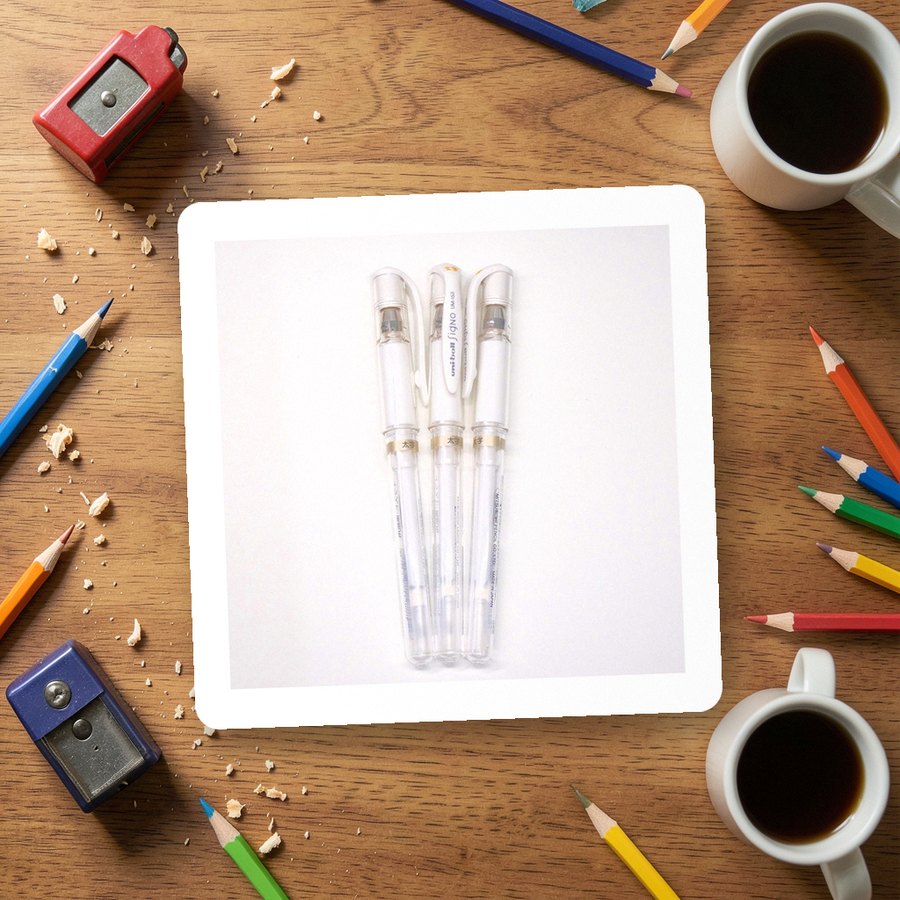 Opaque white gel pens, pack of 3Uni-BallSee it on Amazon
As an Amazon Associate we earn from qualifying purchases.
Your First Mandala Session
Pick a mandala with a clear center and no more than six or seven rings. Choose three colors, swatch them, sketch your light-dark ring plan in the margin, and color from the center out, one ring at a time. The mandala and zentangle collection has designs from bold and simple to stained-glass intricate.
Pages to Practice This On
 Mandala & Zentangle Coloring12 hand-picked · open the collection →
 Quote & Affirmation Coloring14 hand-picked · open the collection →