The Zentangle® Method is a way of drawing structured patterns, called tangles, one stroke at a time on a small square paper tile. It was created by Rick Roberts and Maria Thomas, and it follows eight short steps that take you from a few pencil dots to a finished, shaded tile. You can learn the basics with a pen, a pencil and a piece of paper. Coloring zentangle-style pages uses the same eye for pattern, and the two habits feed each other.
Where the Method Came From
Zentangle, Inc. tells the story on its own site. In the fall of 2003, Maria Thomas was filling the background of a large gilded letter with small patterns. When Rick Roberts interrupted her, she described feeling absorbed, timeless and effortless. Rick, who had practiced meditation for years, told her she was describing meditation.
They noticed that the background patterns were simple to draw, unlike precise letterforms, and thought people who wanted to be creative without years of training might enjoy them. They worked the idea out over a couple of days in western Massachusetts and founded the method in 2004.
"Zentangle" is a registered trademark of Zentangle, Inc. The company uses "tangle" as the everyday word for drawing this way, and "Zentangle" for its method, its art and its company.
The Tile and the Tools
The classic tile is a 3.5-inch (89 mm) square of museum-grade cotton paper. The company says it calls them tiles because they can be assembled into mosaics. A small square matters: it is finished in one sitting and never feels like a blank canvas.
The basic tools are:
- A fine black pen. Zentangle, Inc. names the Sakura Pigma Micron 01 as the pen of choice for its kit. Pigma ink is archival, waterproof and fade-resistant.
- A graphite pencil for the guidelines and the shading.
- A tortillon, a tightly rolled paper stump for smudging graphite.
There is no eraser, by design. The company says it never calls a stray line a mistake; it calls it an opportunity, and you incorporate it into the pattern.
The Eight Steps
Zentangle's own description of the method lists eight steps:
- Gratitude and appreciation. Get comfortable, take a deep breath, and take a moment for gratitude.
- Corner dots. With the pencil, lightly draw a dot in each corner of the tile.
- Border. With the pencil, lightly connect the dots to make a border.
- String. With the pencil, lightly draw a line or lines that divide the tile into sections.
- Tangle. With the pen, draw tangles in the sections created by the string.
- Shade. With the pencil and tortillon, add shades of gray for dimension.
- Initial and sign. Put your initials on the front and sign and date the back.
- Appreciate. Take a moment to look at what you made.
The string is the key idea. It is a loose pencil line, a curve, a Z or a spiral, that divides the tile into irregular sections. Each section gets a different tangle, and the pencil string disappears under the ink and shading. Zentangle art is non-representational and has no top or bottom; you are encouraged to rotate the tile as you work.
Six Tangles to Start With
A tangle, in the company's words, is a predefined sequence of simple strokes that makes up a pattern. You do not need to know what it will look like; you follow the steps and the result appears. These six are good first tangles, and all are taught by Zentangle, Inc. or its teachers:
Crescent Moon
Draw a row of half circles along the edge of a section and fill them in solid black. Then draw a line that follows the outside of the half circles, a little away from them. Add another, and another. Each repeated outline is called an aura. Zentangle, Inc. says this is one of Maria's favorites and the one she always teaches first in a beginner class.
Hollibaugh
Draw a few bands crossing the section, then draw more bands that pass behind the first ones, stopping where they meet an existing band. Fill the gaps between the bands with black. The effect is a pile of sticks. Hollibaugh teaches "drawing behind," one of the most useful techniques for depth.
Printemps
Small, tight spirals packed side by side until they fill a section, like a cluster of coiled shells. Rotate the tile so your hand is comfortable for each spiral.
Knightsbridge
A grid filled like a checkerboard, alternate squares black. One of the original tangles, usually taught early. Once the grid is drawn with wavy lines instead of straight ones, it looks far more interesting.
Florz
A grid of diagonal lines with a small diamond at each crossing. Inspired by a tiled floor. Like Knightsbridge, it starts from a grid.
Tipple
Small circles of different sizes, packed tightly, then the gaps filled in black. Good for filling awkward leftover spaces between other tangles.
If a tangle feels confusing, draw it large, in a section the size of your palm, a few times. Speed comes from repetition, not from trying to get it right on the first tile.
Shading With Graphite
Shading is what turns flat pen patterns into something that looks raised, rounded or tucked behind. Add pencil gray:
- Where shapes go behind other shapes, as in hollibaugh.
- Along one side of each band or orb, as if light came from one direction.
- Along the edges of the string, so sections look like they sink into the tile.
Then soften the graphite with the tortillon. Light, gradual shading is better than dark patches; you can always add more.
Zentangle vs Zentangle-Inspired Art
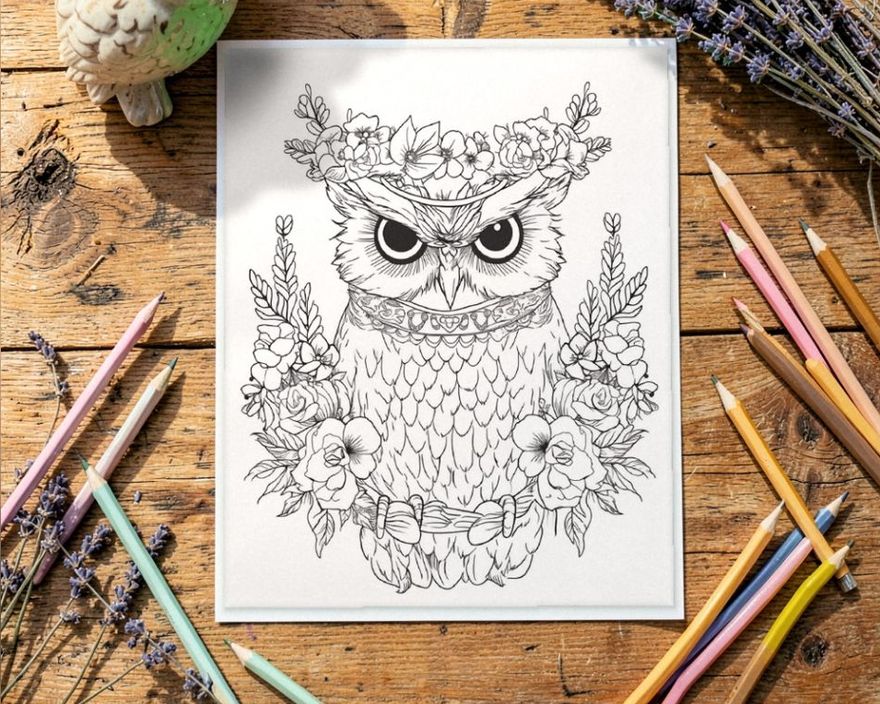
On a 3.5-inch tile, black on white and abstract, you are following the Zentangle Method. When you take tangles somewhere else, Zentangle, Inc. calls it Zentangle-Inspired Art, usually shortened to ZIA. A ZIA is often representational: tangles inside the outline of an owl, a butterfly, a shoe, a ceramic plate. The company itself says the line between the two is a little gray and not worth worrying about.
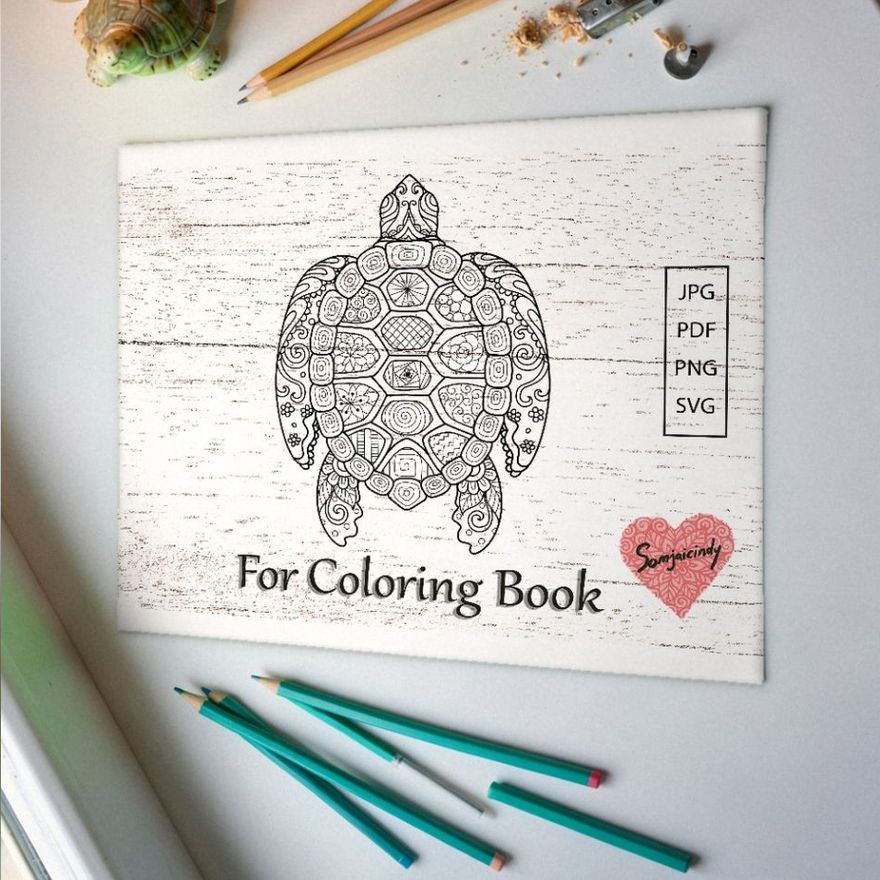
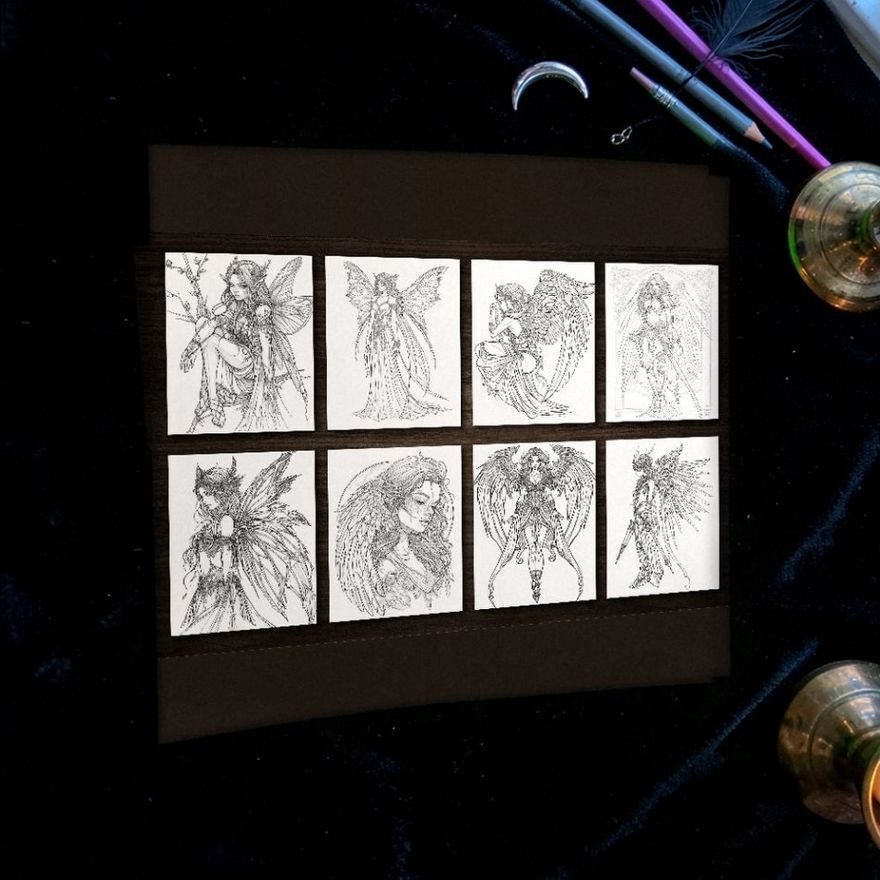
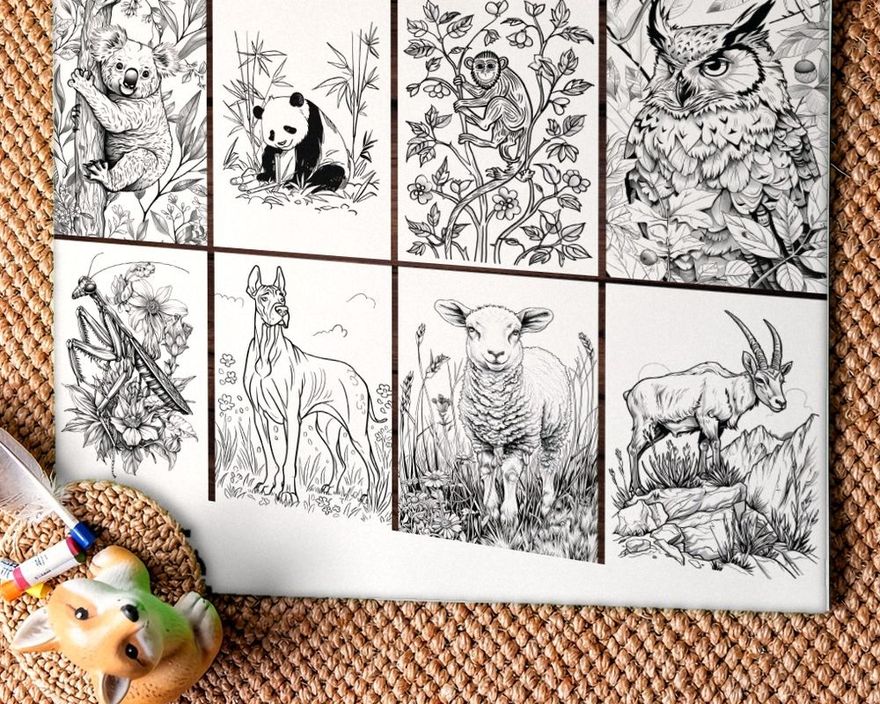
Most "zentangle coloring pages" are, strictly speaking, ZIA: animals, flowers and mandalas filled with tangle-style patterns. Owls are a favorite because their feathers make natural sections:

15 Geometric Owl Coloring Pages
See the listing ↗
Steampunk Owl Coloring Pages for Adults
See the listing ↗
200+ Steampunk Owl Coloring Pages
See the listing ↗From the collection Animal Coloring Pages for Adults. New Creative Fabrica members get 10 free downloads, and any of these can be one of them.
Coloring Pattern Pages in Two Shades
Patterned pages are dense, and a full rainbow quickly becomes noise. A calmer approach:
- Choose one color and two values of it, for example light teal and dark teal.
- Color the background shapes of every tangle in the light value.
- Color the smaller repeating shapes in the dark value, such as the orbs in tipple or the alternate squares in knightsbridge.
- Add a third, contrasting color in only one section as an accent.
This keeps the patterns readable and lets the black lines do the work. Use colored pencils or fine-tip markers in small cells; broad marker tips flood them. Palette ideas are in color palettes for coloring pages, and pages built around rings follow the method in how to color a mandala.
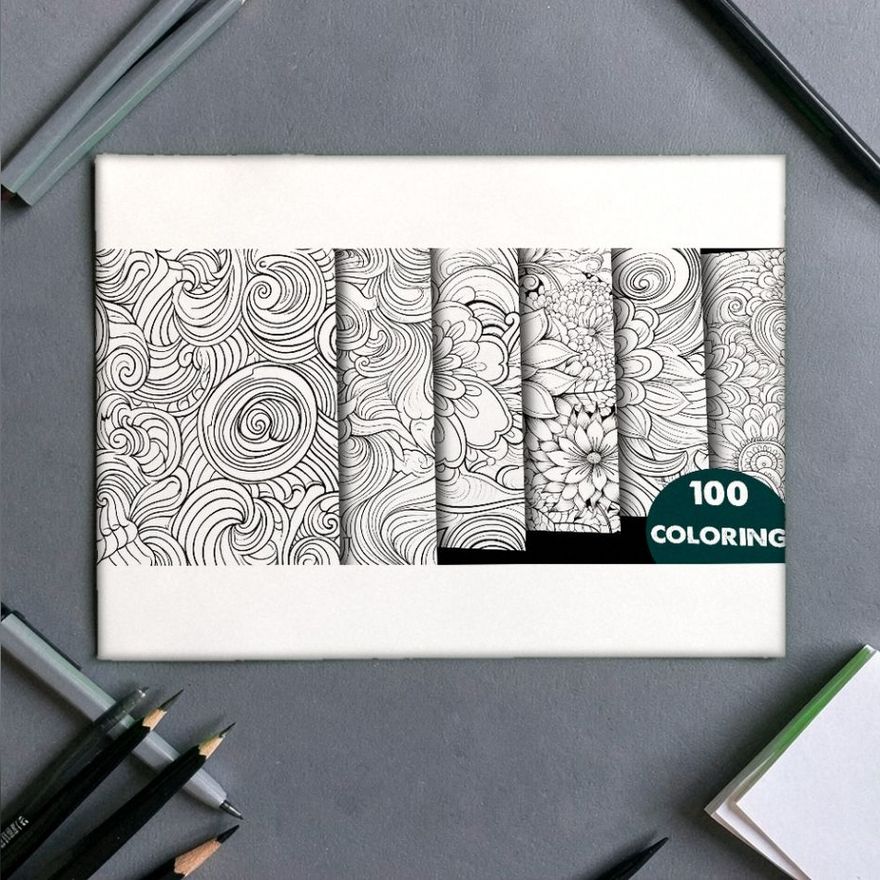
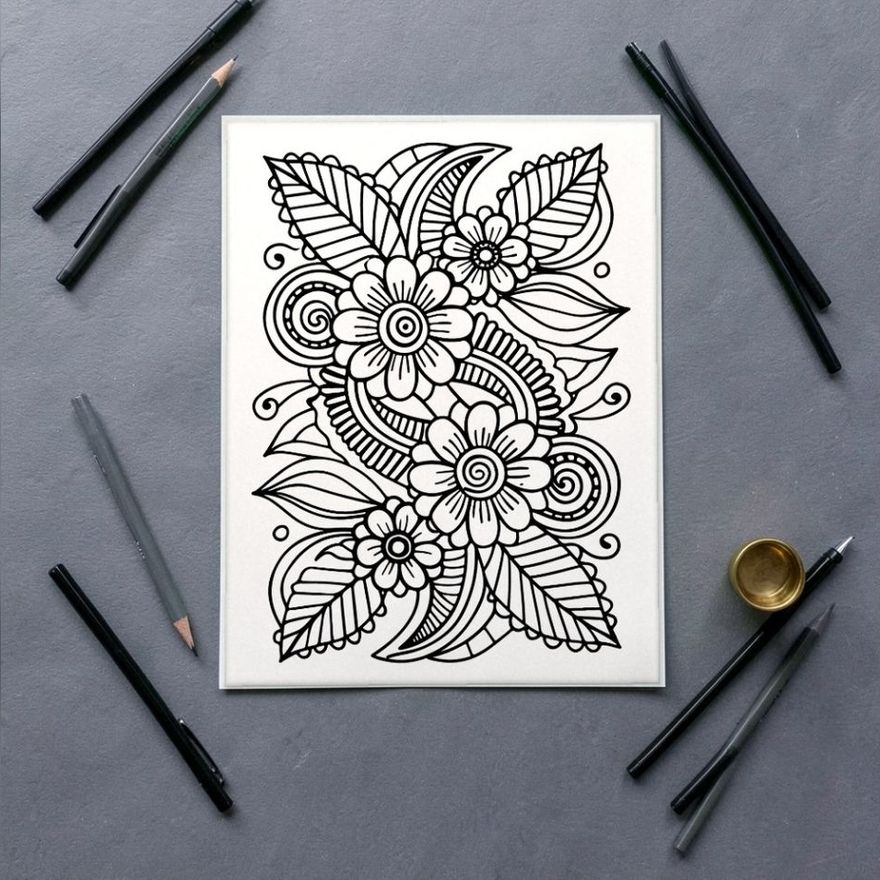
These pattern pages are dense enough to practice the two-shade approach:

100 Zentangle Pattern Coloring Pages
See the listing ↗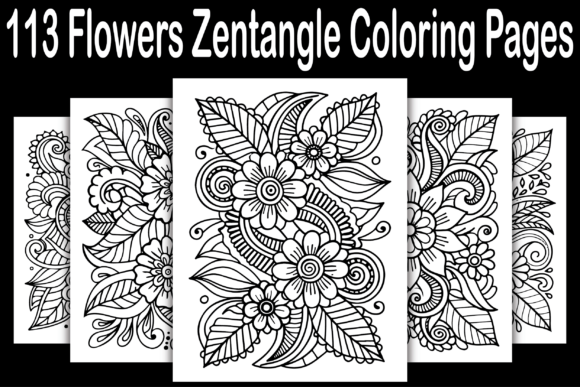
113 Flowers Zentangle Coloring Pages
See the listing ↗
70+Zentangle Coloring Pages -for Adult
See the listing ↗From the collection Mandala & Zentangle Coloring. New Creative Fabrica members get 10 free downloads, and any of these can be one of them.
Pens, Pencils and Tiles
The whole kit fits in a pencil case: fine black pigment pens, a graphite pencil, a paper stump and a stack of square tiles. Pre-cut tiles save the measuring if you plan to draw often.
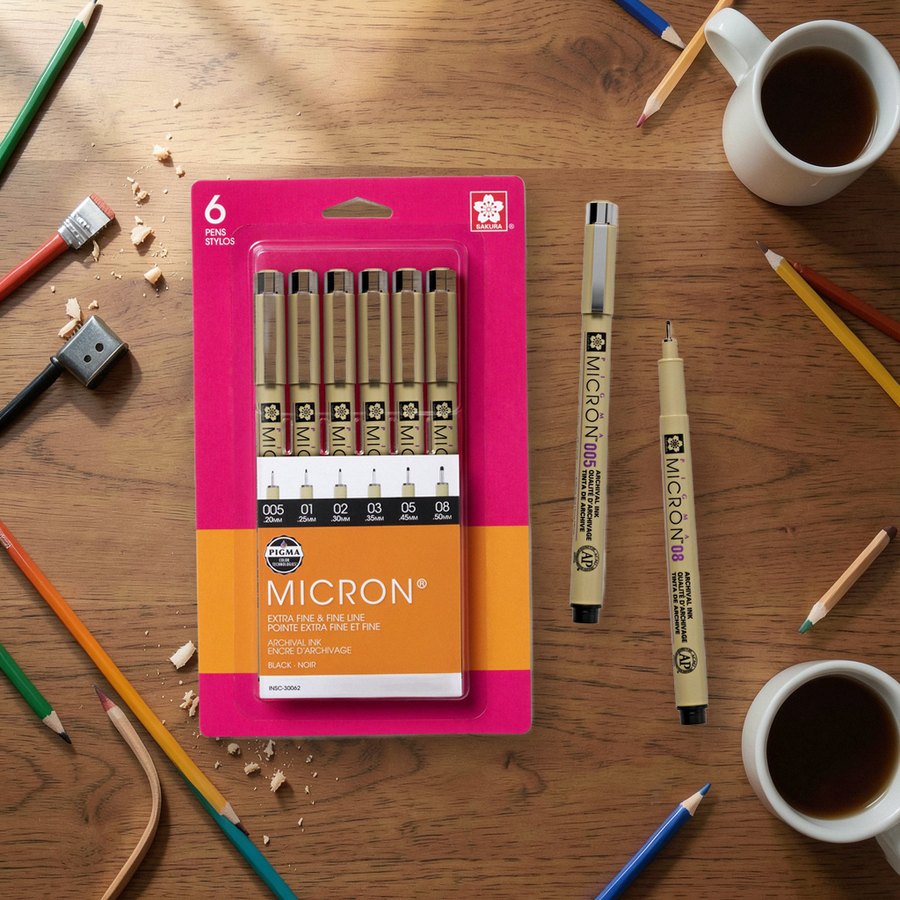 Black pigment fineliners, assorted pointsSAKURASee it on Amazon
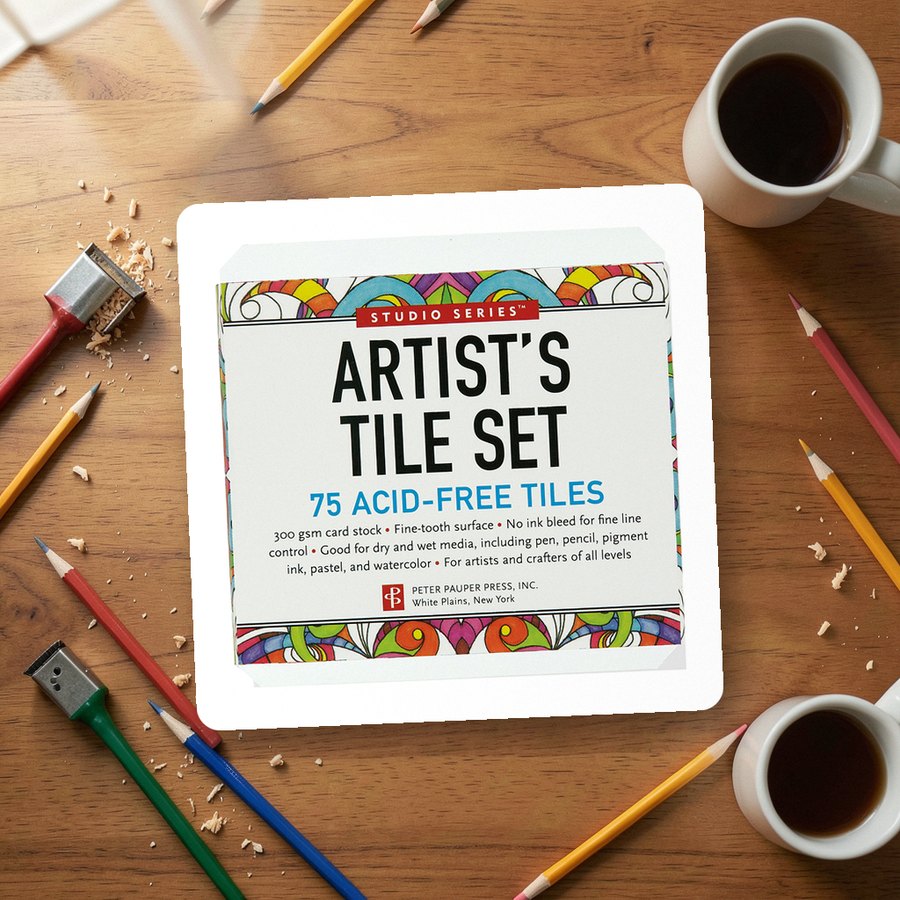 White artist's tiles, 75 packPETER PAUPER PRESSSee it on Amazon
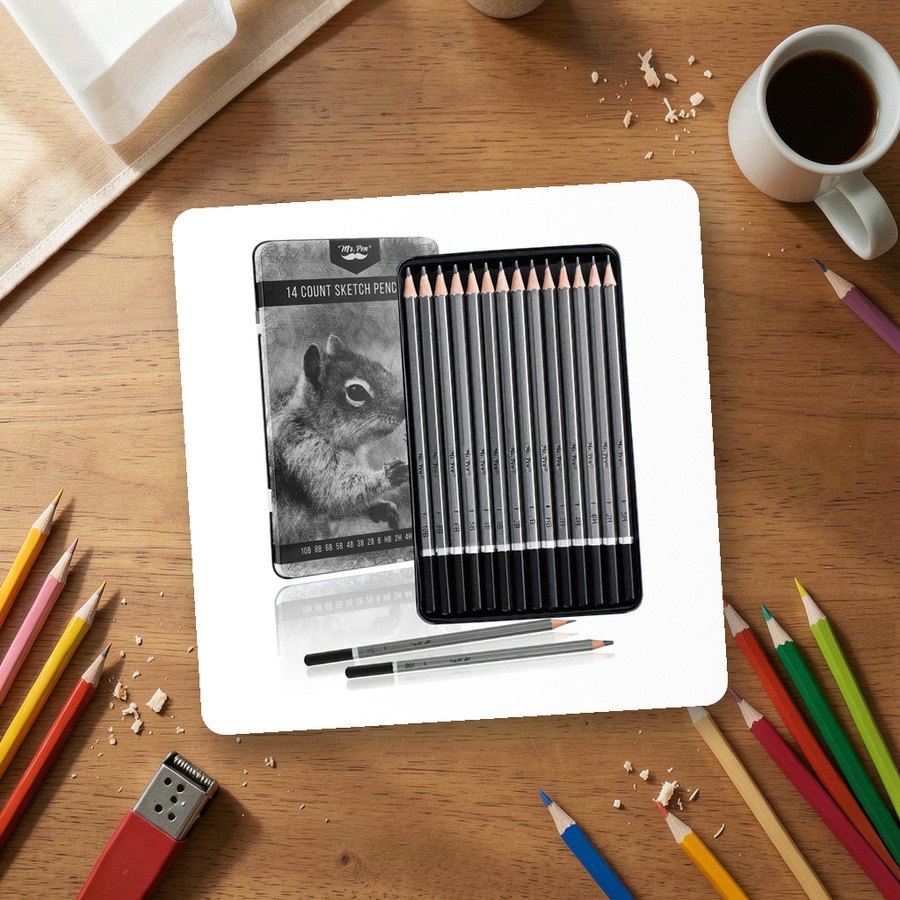 Graphite sketch pencils, 14 packMr. PenSee it on Amazon
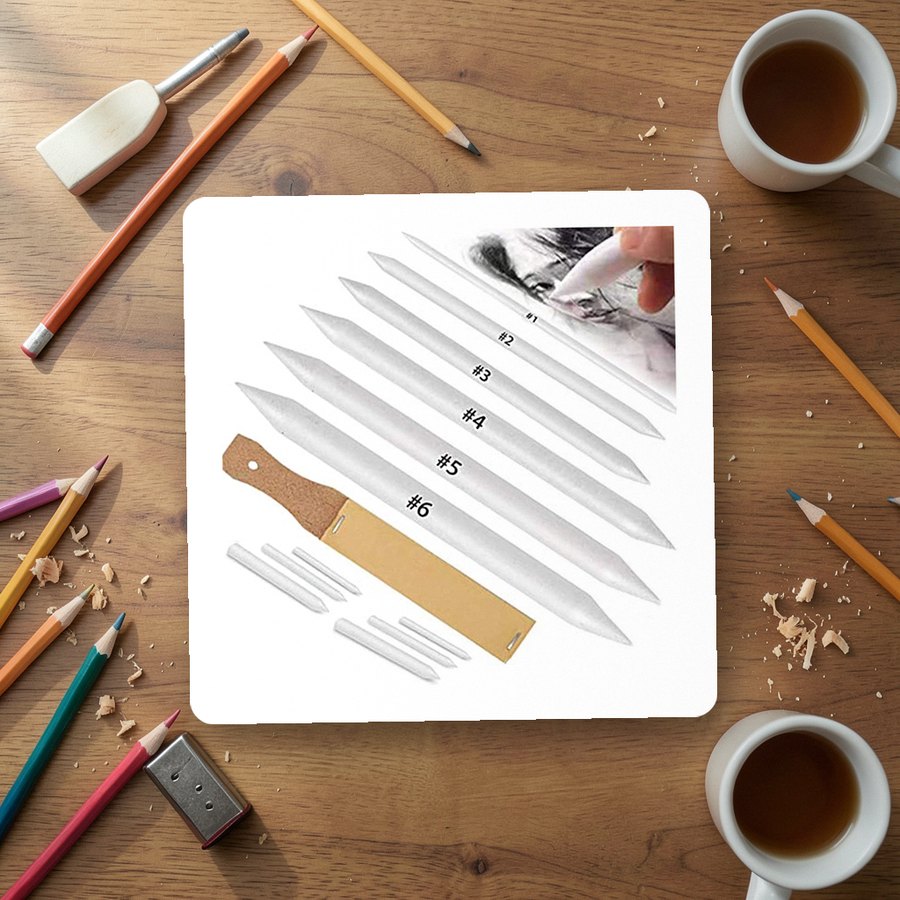 Blending stumps and tortillons, 12 piecesN NOROCMESee it on Amazon
As an Amazon Associate we earn from qualifying purchases.
Start Your First Tile
Cut a 3.5-inch square from heavy paper, draw your four dots, a border and a simple S-shaped string, and fill three sections with crescent moon, tipple and knightsbridge. Shade lightly, then sign the back. When you want to color patterns instead of drawing them, the mandala and zentangle collection is the place to start, and is coloring good for stress looks at what research says about this kind of focused activity.
Pages to Practice This On
Mandala & Zentangle Coloring12 hand-picked · open the collection → Animal Coloring Pages for Adults13 hand-picked · open the collection →